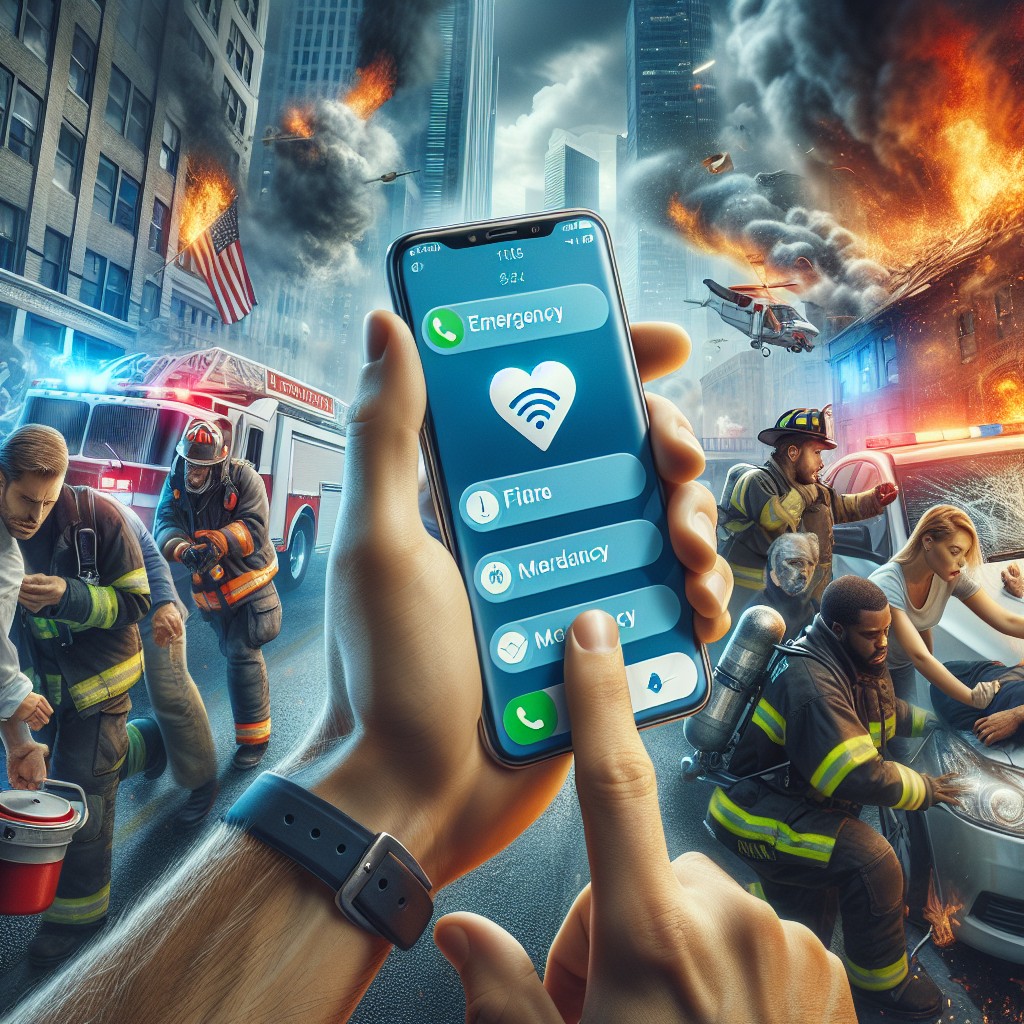
Effective crisis communications are essential for schools and public venues to manage emergencies and ensure the safety of students, staff, and visitors. Preparing comprehensive checklists establishes a structured approach to responding promptly and accurately during a crisis.
Understanding the importance of crisis communications in educational and public settings
In environments such as schools and public venues, clear and timely communication during a crisis can prevent confusion and reduce harm. Crisis communications involve the dissemination of accurate, concise, and coordinated messages to all stakeholders, including students, parents, employees, authorities, and the media. These protocols help organizations maintain trust and uphold safety standards during unpredictable situations.
Key components of an effective crisis communications checklist
An effective crisis communications checklist should begin with identifying the crisis management team responsible for internal and external communications. It must include verifying contact information for all stakeholders and establishing communication channels such as phone trees, email alerts, and social media updates. The checklist should also outline steps to assess the crisis, decide on the messaging strategy, and designate spokespersons trained in media interactions. Including guidance for monitoring information accuracy and managing rumors is critical to maintaining clarity.
Implementing technology and tools to support crisis communications
Modern technology plays a significant role in enhancing crisis communications in schools and public venues. Automated notification systems can instantly alert large groups via text messages or emails, ensuring rapid information dissemination. Social media platforms and official websites serve as real-time updates and reliable information sources. Integrating these technologies into checklists ensures that communication efforts are both efficient and wide-reaching across various channels.
Training and rehearsal as part of crisis communications preparedness
Regular training sessions and simulation drills are integral to the effectiveness of crisis communications. Through rehearsals, school staff and venue personnel can practice communication protocols, familiarize themselves with the checklist’s steps, and refine their roles during emergencies. These exercises help identify gaps in communication plans and improve coordination with local emergency services, contributing to a more resilient response framework.
Review and continuous improvement of crisis communications plans
Crisis communications plans must be dynamic documents subject to regular review and updates. After each emergency or drill, analyzing the effectiveness of the communications checklist can reveal areas for enhancement. Engaging with stakeholders for feedback and incorporating lessons learned from recent incidents contribute to evolving strategies. This iterative approach helps schools and public venues adapt to emerging challenges and maintain preparedness.
Establishing and maintaining detailed crisis communications checklists tailored for schools and public venues supports efficient management of emergencies and promotes public safety. As threats evolve, institutions that prioritize clear communication and regular plan updates will be better equipped to protect their communities and sustain confidence during critical moments. Institutions can further benefit from consulting established resources such as the Ready.gov crisis communications guidelines and expert advice from organizations such as the American Red Cross crisis communications standards.
Frequently Asked Questions about crisis communications
What is the role of crisis communications in schools during emergencies?
Crisis communications in schools facilitate timely and accurate information sharing to protect students and staff while minimizing confusion during emergencies.
How can public venues develop an effective crisis communications plan?
Public venues develop effective crisis communications plans by creating detailed checklists, assigning communication roles, using multiple communication platforms, and conducting regular training.
Why is regular review important in crisis communications strategies?
Regular review ensures crisis communications strategies remain relevant and effective by incorporating feedback, addressing new risks, and improving based on past experiences.
What technologies support crisis communications in public spaces?
Technologies such as automated alert systems, mass texting services, social media, and public address systems enhance the reach and speed of crisis communications in public venues.
Where can schools and venues find authoritative crisis communications guidelines?
Schools and venues can find authoritative crisis communications guidelines on government platforms like Ready.gov and organizations like the American Red Cross.