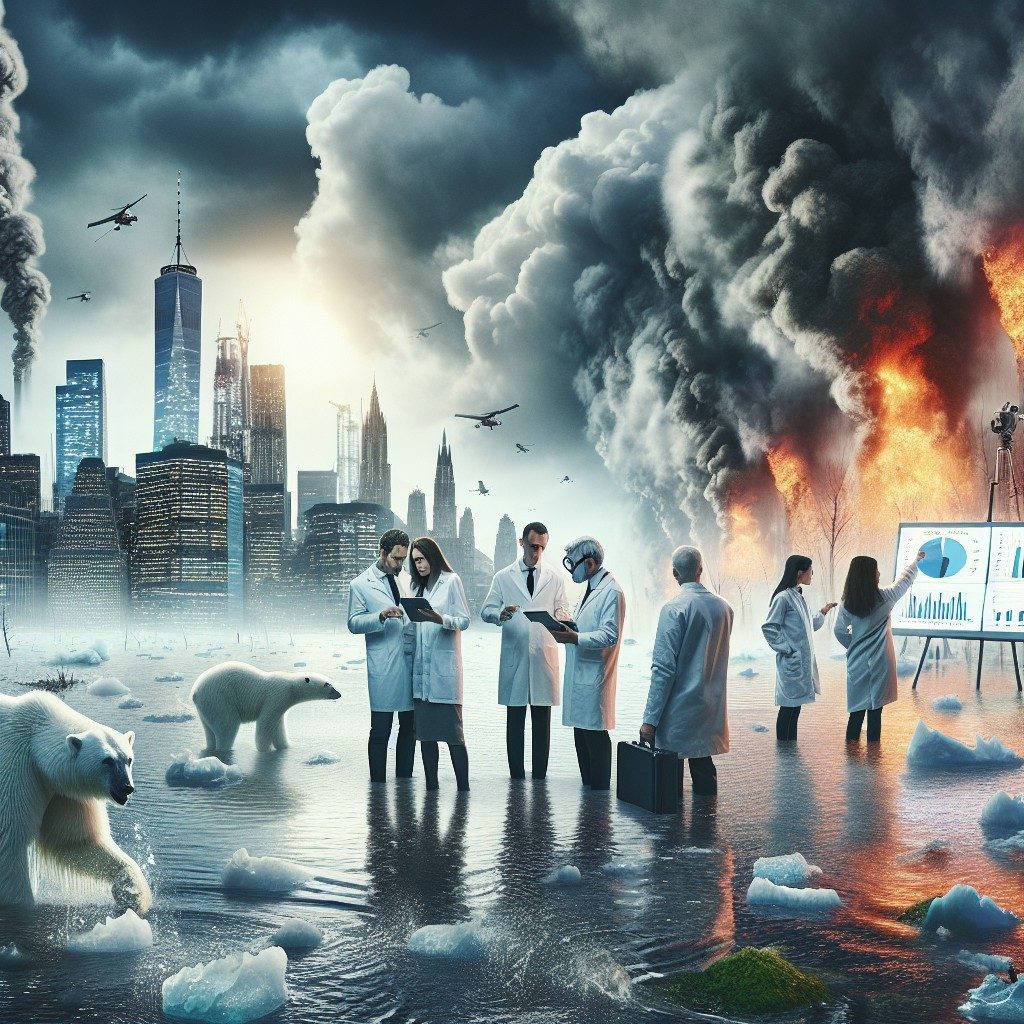
As global climate patterns continue to shift, Romania faces an evolving set of environmental challenges in 2026. Understanding the projected climate impact in the country is crucial for policymakers, businesses, and citizens alike to build resilience and adapt effectively to upcoming changes.
Rising Temperatures and Heatwaves in Romania
Experts project that Romania will experience a notable increase in average temperatures over the coming year. This warming trend raises concerns about more frequent and intense heatwaves, particularly during the summer months. Prolonged heatwaves can affect public health, reduce agricultural yields, and increase energy consumption due to higher cooling demands. The climate impact stemming from rising temperatures necessitates enhanced monitoring and preparedness strategies nationwide.
Changes in Precipitation Patterns and Flood Risks
Alterations in precipitation are another significant aspect of the climate impact expected in Romania. Meteorological data indicates a tendency toward more erratic rainfall, with periods of drought interspersed with heavy downpours. This variability contributes to heightened flood risks, particularly in low-lying and urban areas. Effective water management and infrastructure improvements are essential responses to mitigate the adverse effects associated with increased flood events.
Implications for Agriculture and Food Security
Agriculture remains a vital sector in Romania’s economy, and shifts in climate conditions bear direct consequences on crop production. The expected intensification of droughts and irregular rainfall can impair soil quality and reduce yields of staple crops like wheat and maize. These conditions highlight the need for climate-smart agricultural practices, resilience planning, and the development of crop varieties better suited to emerging environmental conditions. Addressing the climate impact on food security is imperative to sustain rural livelihoods and economic stability.
Biodiversity and Ecosystem Adjustments
Romania’s diverse ecosystems are increasingly vulnerable to changing climate patterns. Species migration and altered phenology are anticipated responses to the climate impact anticipated in 2026. Vulnerable habitats, such as wetlands and forests, may experience stress due to temperature fluctuations and water availability changes. Conservation efforts and ecosystem management must integrate climate considerations to safeguard biodiversity and maintain ecological balance.
Urban Areas Facing Climate Stress
Urban centers in Romania are likely to face growing climate stress, including heatwaves, air quality deterioration, and water shortages. Infrastructure in cities needs upgrading to enhance resilience, with considerations for green spaces, improved drainage, and sustainable transportation. Urban planning that incorporates climate impact assessments will be essential to protect public health and maintain quality of life.
Conclusion
In 2026, Romania will encounter multifaceted challenges driven by the ongoing climate impact. Rising temperatures, altered precipitation patterns, and their resultant effects on agriculture, biodiversity, and urban areas require coordinated adaptation efforts. By addressing these challenges proactively and grounding policy decisions in scientific data, Romania can better navigate the complexities posed by climate changes and reduce vulnerabilities moving forward.
Frequently Asked Questions about climate impact
What are the primary causes of climate impact in Romania?
The primary causes of climate impact in Romania include global greenhouse gas emissions leading to temperature rise, changes in precipitation, and increased frequency of extreme weather events.
How does the climate impact affect agriculture in Romania?
Climate impact affects Romanian agriculture through increased droughts and erratic rainfall, which can lower crop yields and threaten food security.
What measures are being taken to mitigate climate impact in urban areas of Romania?
Urban areas in Romania are implementing green infrastructure, improved water management, and sustainable urban planning to mitigate the climate impact and enhance resilience.
How is biodiversity in Romania influenced by the climate impact?
Biodiversity is influenced by climate impact as shifting temperatures and precipitation patterns alter habitats and species distributions, potentially threatening ecosystem stability.
Why is it important to prepare for climate impact in Romania by 2026?
Preparing for climate impact by 2026 is crucial to minimize risks to public health, agriculture, infrastructure, and ecosystems, ensuring a sustainable and resilient future for Romania.