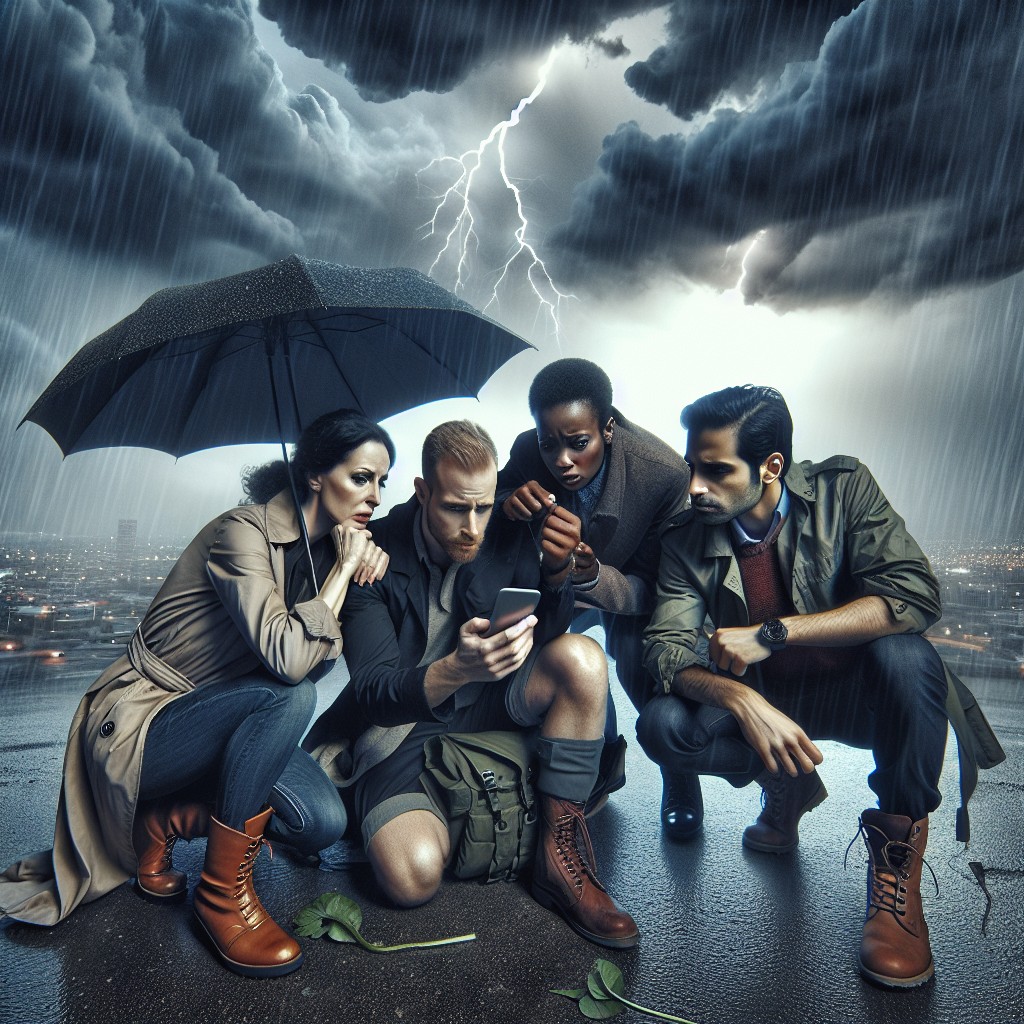
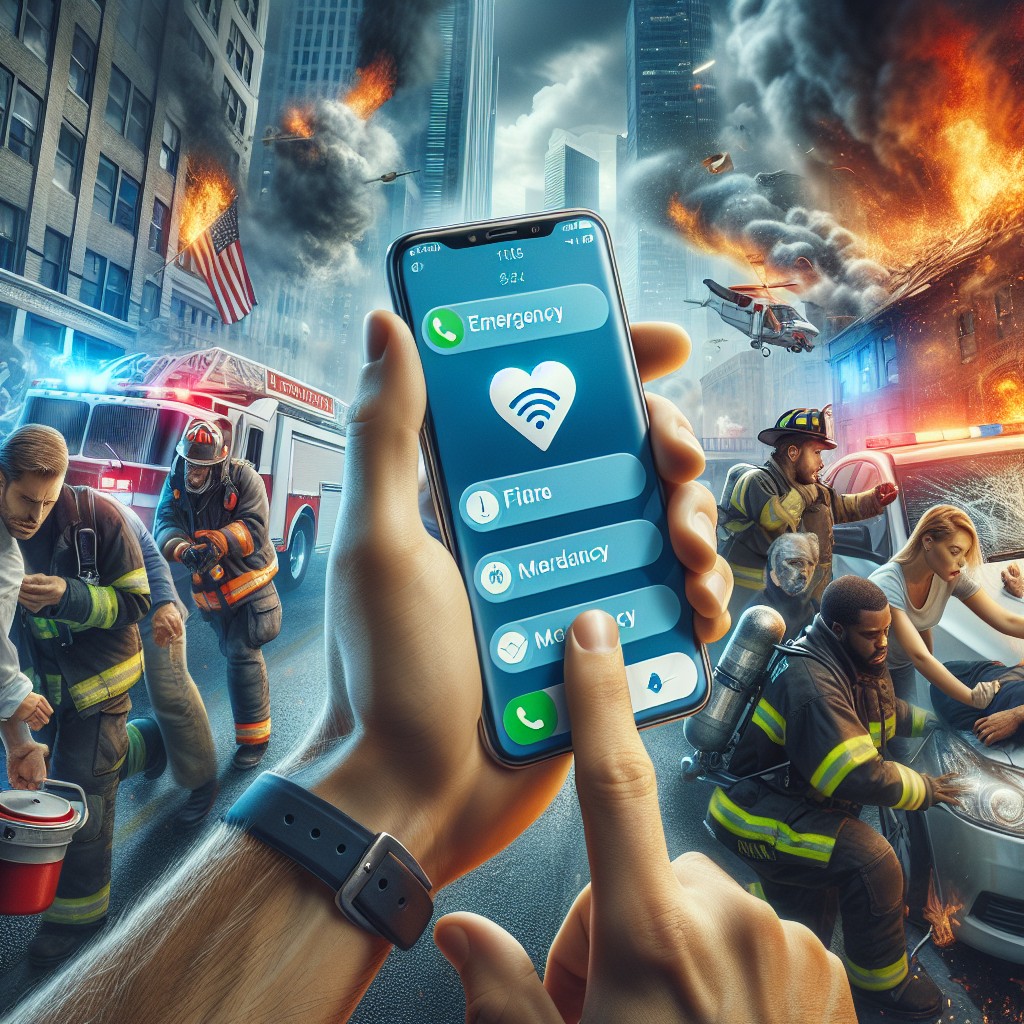
As climate patterns shift globally, communities are experiencing an increase in fast-moving weather events that pose significant risks. Developing effective warning habits has become essential to reduce the dangers associated with severe weather. Understanding these habits and integrating them into daily routines during storms can substantially mitigate potential harm.
The Importance of Timely Severe Weather Alerts
One of the main factors in reducing risk during fast-moving storms is receiving accurate and timely alerts. Meteorological agencies employ advanced modeling and radar technologies to provide warnings well before a storm reaches populated areas. The ability to disseminate these warnings rapidly through multiple channels, including mobile apps, television, and radio, ensures that people can take preventive actions quickly. In regions prone to fast-moving weather phenomena, delays in communication often contribute to increased casualties and property damage.
Developing a Routine for Monitoring Severe Weather
Habits centered around real-time monitoring are critical when facing imminent severe weather. Individuals and organizations should regularly check trusted weather sources, especially during active seasons. Integrating the habit of periodic updates into daily schedules guarantees that sudden changes in storm patterns are noticed promptly. This proactive approach minimizes surprises and allows for rapid execution of safety protocols.
Community Engagement and Preparedness
Effective severe weather warning habits extend beyond individual awareness to encompass community-level preparedness. Municipal authorities often conduct campaigns to educate residents on recognizing local warning signals and response actions. These efforts ensure a broad understanding of what constitutes severe weather and how to secure homes and critical infrastructure rapidly. Community drills and the establishment of designated shelters also fortify resilience against fast-moving storm impacts.
Technological Tools Enhancing Warning Habits
Emerging technologies contribute significantly to improving how individuals and communities respond to severe weather. Mobile applications equipped with geolocation services provide tailored alerts based on precise locations, allowing users to receive warnings that are relevant and urgent. Additionally, social media platforms serve as rapid dissemination tools for official updates, though verifying information remains crucial to avoid misinformation during crises.
Behavioral Adaptations During Fast-Moving Storms
When a severe weather warning is issued, altering behaviors promptly can reduce risk markedly. Habits such as seeking shelter immediately, avoiding travel, and securing outdoor objects are fundamental responses that help minimize injury and damage. Maintaining a calm and informed demeanor during these critical moments supports clearer decision-making and better adherence to emergency instructions issued by authorities.
In conclusion, the cultivation of strong severe weather warning habits is vital in the context of increasingly frequent and intense fast-moving storms. By embracing timely alerts, consistent monitoring, community cooperation, technological advancements, and adaptive behaviors, societies can better safeguard lives and property. Continued investment in these practices and public education is expected to enhance overall resilience against the evolving challenges posed by severe weather.
Frequently Asked Questions about severe weather
What defines a severe weather event?
A severe weather event typically involves conditions such as high winds, heavy precipitation, tornadoes, or thunderstorms that pose significant risks to life and property.
How can I receive timely severe weather warnings?
You can receive timely warnings through official meteorological websites, mobile apps, local news outlets, and emergency alert systems that broadcast updates during severe weather conditions.
Why is it important to develop severe weather warning habits?
Developing these habits ensures that individuals are prepared to respond quickly and appropriately, which decreases the risk of injury or damage during fast-moving storms.
What role does technology play in managing severe weather risks?
Technology enhances risk management by providing precise and localized alerts, enabling quicker communication, and facilitating better coordination between authorities and the public during severe weather.
How can communities improve their response to severe weather?
Communities improve response by conducting preparedness drills, educating residents about warning signals and safety measures, and establishing clear communication protocols for fast-moving severe weather events.